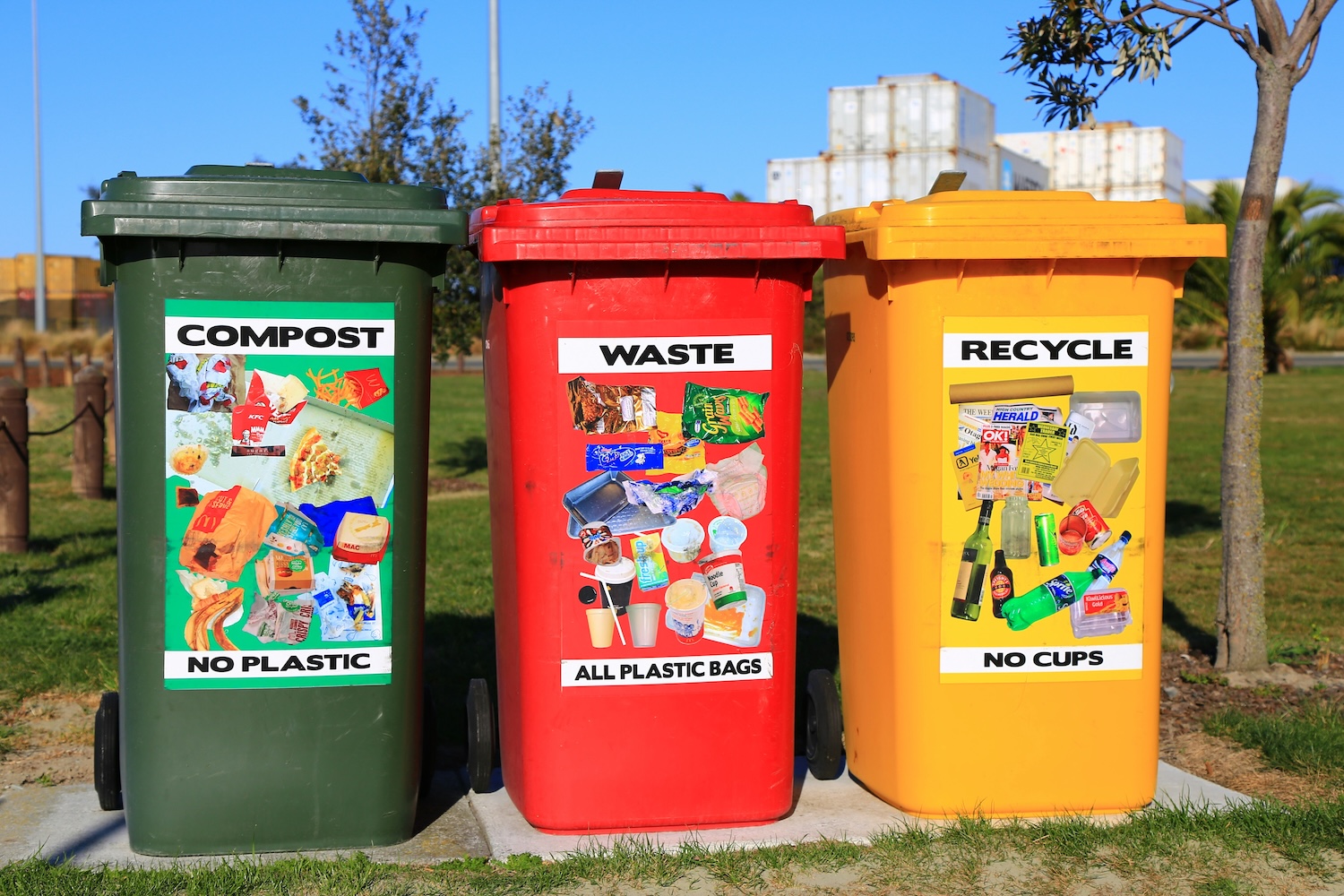
A consumer group has highlighted the importance of following the updated rules regarding food caddy waste bins that are being rolled out to every home in England. Initially, the weekly food waste collection services were due to be fully operational by 31 March this year. However, several local authorities have faced delays, meaning many households have only recently received their food caddies.
Social media platforms have become a common place for residents to ask what items are acceptable in these food waste bins. Councils have also issued warnings that bins containing prohibited items may not be collected. Consumer group Which? took to X (formerly Twitter) to share the latest guidance on correct food waste disposal.
The introduction of these food caddy bins forms part of the Simpler Recycling initiative, a UK government policy aiming to standardise and simplify waste collection across England. Its goal is to eliminate the confusing variations in local council rules by ensuring that the same core materials are recyclable everywhere.
READ MORE: New Five-Storey Critical Care Centre Planned at Gloucestershire Royal Hospital
READ MORE: Gloucester Shop Owner Fined Over £5,000 for Selling Illegal Vapes
Under the scheme, each household is meant to have different bins for residual (non-recyclable) waste, food waste, paper and card, and all other dry recyclables including plastic, metal, and glass.
While many councils have embraced the weekly food waste collections, nearly a quarter missed the implementation deadline. The delays have been attributed to supply chain shortages of specialist collection vehicles, funding challenges for ongoing operational costs, and existing waste collection contracts.
Which? explained in their updated advice: “One advantage of the food waste bin over a home compost bin is that you can dispose of all types of food waste in it. With a home compost bin, items such as meat, dairy, and oily foods cannot be added as they attract pests and rodents, but your council food waste bin can accept these.”
Examples of acceptable food waste include:
- Meat and fish
- Dairy products
- Fruits and vegetables
- Cooked and uncooked leftovers
- Food scraps and peelings
Items banned from the food waste bins typically include plastic packaging, garden waste, liquids, and non-food items.
Local councils have also communicated what happens to collected food waste. Lichfield District Council, which recently launched the service, revealed that in just the first two weeks, residents recycled an impressive 120 tonnes (120,000 kg) of food scraps. This waste is transported to an anaerobic digestion facility, where it is processed into renewable energy to power homes and businesses. The remaining byproduct is converted into nutrient-rich fertiliser utilised by local farmers to cultivate crops.
As Lichfield Council summarised, “It’s a simple cycle that turns yesterday’s leftovers into tomorrow’s food.”
Similarly, Bradford Council outlined that the food waste undergoes anaerobic digestion, a process where micro-organisms break down organic matter akin to human digestion. This produces biogas, a form of renewable energy, and digestate, a nutrient-rich fertiliser used in agriculture.
Residents are encouraged to follow the guidelines closely to support these sustainable waste management efforts and ensure their bins are collected promptly.
For further information, Which? provides detailed advice and updates on their platform.