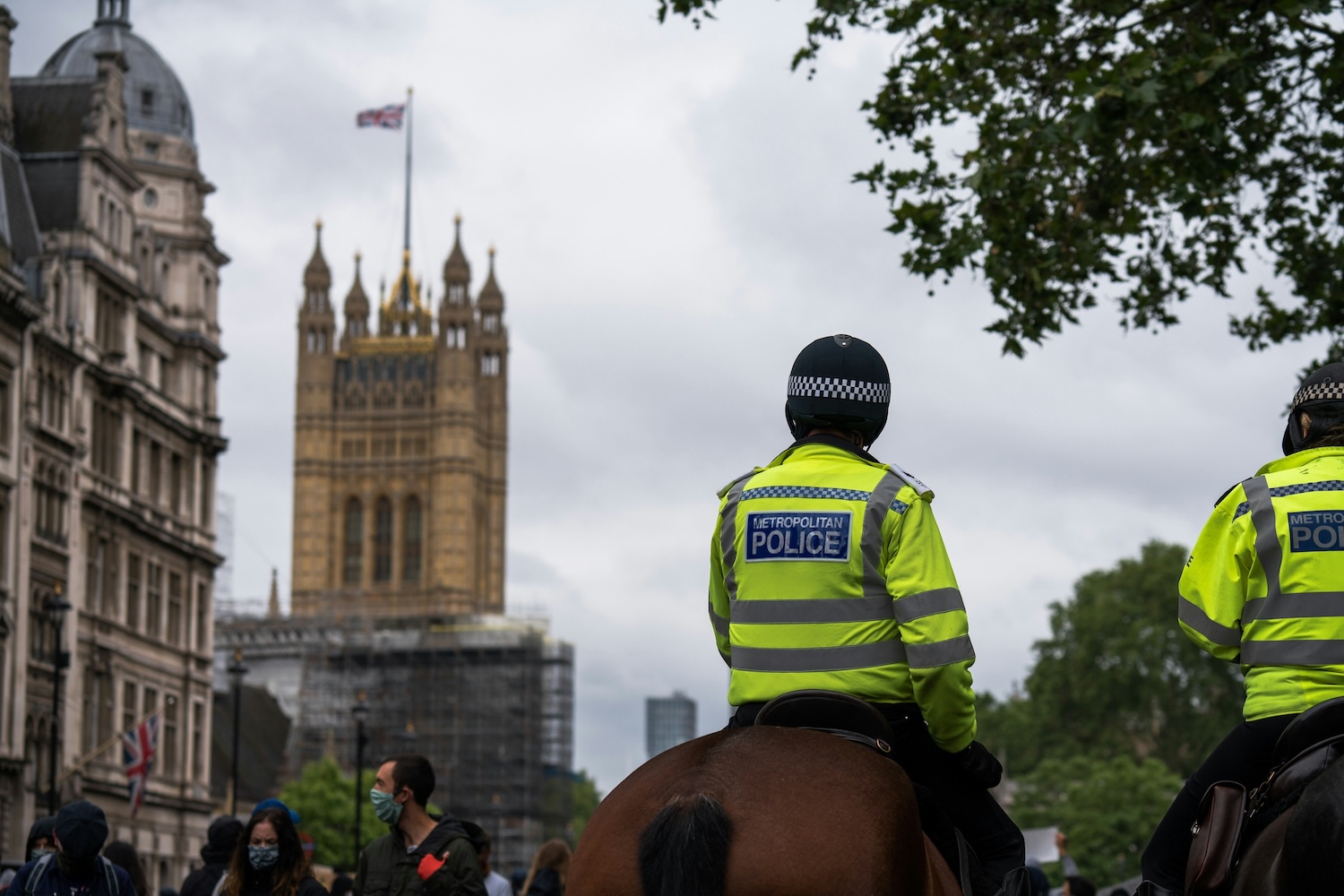
A senior police official has highlighted the crucial role the media plays during major incidents, as a newly released charter signals the most significant shift in police-journalist relations in decades.
After more than two years of collaboration involving senior leaders from policing, criminal justice, and the media, the Policing and Media Charter was unveiled at the Society of Editors’ ‘Future of News’ conference in London on March 17. The charter provides clear guidance to police communication teams and journalists, enhancing their ability to work together effectively when urgent incidents unfold.
The initiative began in late 2023, following a College of Policing review into the Nicola Bulley missing person case, which attracted intense media scrutiny across mainstream and social platforms. As part of this effort, the working group also developed updated protocols for police on releasing information to the public, as well as guidance for journalists seeking materials used in open court.
READ MORE: Cheltenham Town vs Crewe Alexandra: How to Watch Live on Sky Sports+
READ MORE: Discover Winchcombe: A Historic Market Town in the Heart of the Cotswolds
The charter was jointly crafted by the National Police Chiefs’ Council (NPCC), College of Policing, Crown Prosecution Service, Crime Reporters Association, Society of Editors, and Media Lawyers Association.
Chief Constable Gavin Stephens, Chair of the NPCC, emphasized, “Policing requires open and honest communication with the public, and the media plays a central role in this—especially during rapidly evolving or sensitive incidents. This groundbreaking charter reflects a genuine commitment from both policing and the media to build mutual trust and implement meaningful improvements in our collaboration.”
Dawn Alford, Chief Executive of the Society of Editors, added, “The relationship between journalists and police is key to ensuring the public receives accurate and timely information about crime and policing. This charter embodies a strong commitment from all parties to rebuild trust and work together for the public’s benefit.”
Edd Moore, Editor-in-Chief at GloucestershireLive publisher Reach plc, noted, “Reputable and regulated news outlets are essential for distributing accurate public information, particularly during major incidents when misinformation can spread rapidly online. This charter is a promising step toward building a trust-based partnership between media and police that serves community interests.”
Rebecca Camber, Chair of the Crime Reporters Association, remarked, “This charter has the potential to transform police-media relations, which are vital for maintaining public confidence and policing legitimacy in the UK. Our recommendations two years ago initiated critical discussions, and I’m pleased that policing has listened. Together, we have created a groundbreaking framework that will benefit journalists, police officers, and press teams nationwide.”