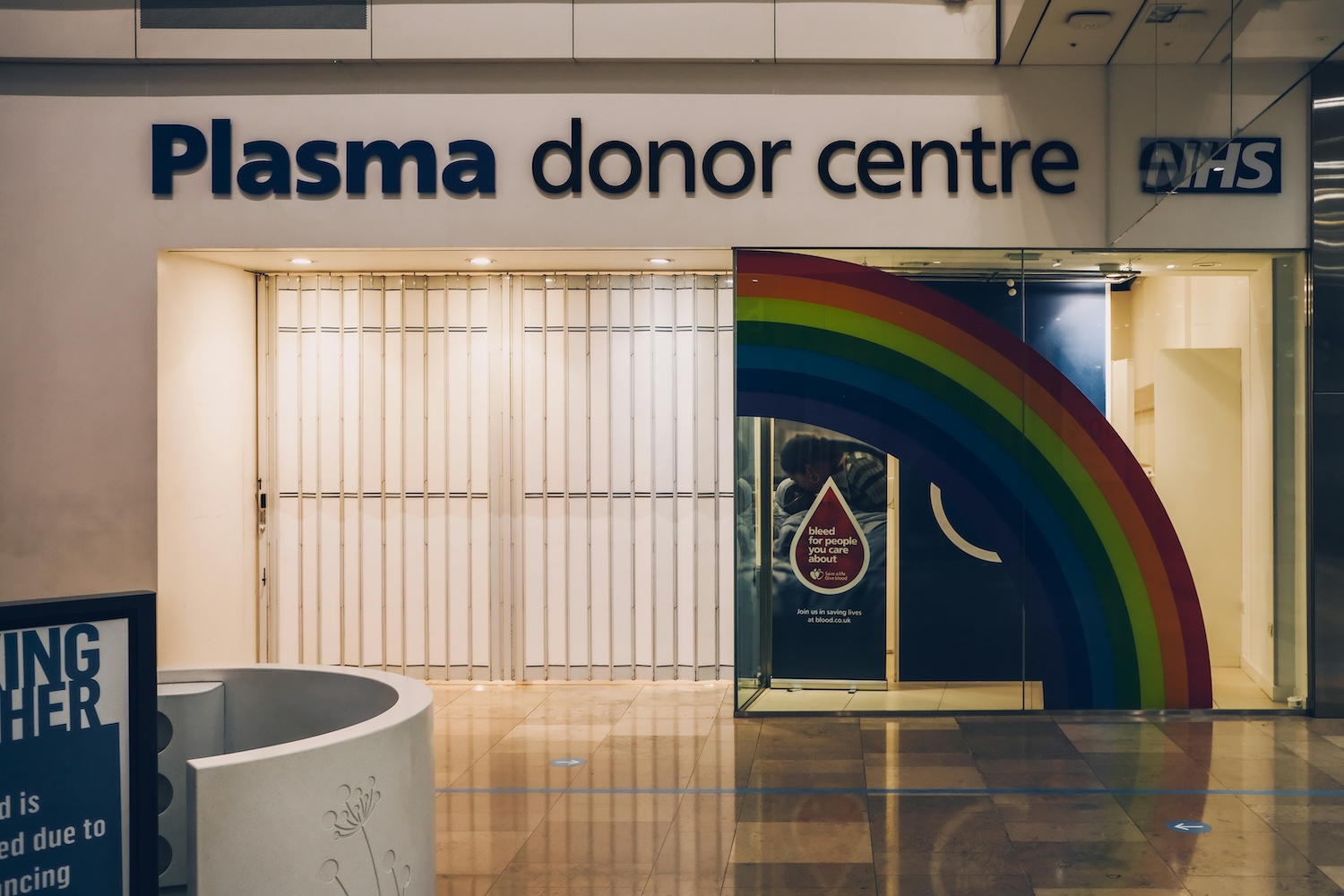
Gloucestershire’s phlebotomists have made history by engaging in the longest strike ever recorded within the NHS, surpassing 300 days of industrial action. Thirty-seven specialist blood-drawing professionals from Gloucestershire Royal and Cheltenham General hospitals first walked out in March last year, protesting persistently low pay and lack of recognition for their skilled work.
This week, a group of these striking workers gathered outside Shire Hall to raise awareness of their ongoing campaign during a Gloucestershire County Council meeting, where hospital leadership was held to account.
Caroline Hayhurst, a phlebotomist and Unison representative at Cheltenham, spoke passionately at a recent union event and the council meeting. She explained that their fight began years ago as a call for fair pay reflecting their expertise but grew into a broader struggle to preserve their roles. “We’ve been ignored for years,” Hayhurst said. “When we walked out on March 17 last year, we were determined to receive proper pay for a job we love and want to keep. After over 300 days, that fight remains unresolved.”
READ MORE: What Experts Avoid Buying in Supermarkets — Surprising Insights
READ MORE: Heartfelt Tributes to 30 Beloved Individuals Remembered in Gloucestershire Death Notices
While the hospital trust has presented multiple offers, including a proposal to form a national, independent panel to assess the appropriate pay band for phlebotomists, the dispute continues. Gloucestershire Hospitals NHS Foundation Trust Chief Executive Kevin McNamara updated councillors on January 27, revealing offers that include a newly created higher-banded outpatient healthcare support worker role at band three, guaranteeing at least half the responsibilities relate to phlebotomy, weekend enhancements, and one-off payments recognizing the strike’s length.
Despite attempts at resolution, Hayhurst highlighted a growing concern among staff. “What began as a fight for fair pay now includes defending our professional roles against being relegated to healthcare support jobs,” she said. The union is currently balloting members on whether to accept the latest offer.
Council members expressed sympathy and concern during the meeting. Public Health Cabinet Member Paul Hodgkinson remarked on the essential nature of phlebotomists’ work and expressed surprise at their low pay scale, noting that band two equates to approximately £24,465, with a band three top salary at £26,598. Conservative Councillor Andrew Gravells praised the phlebotomists’ dedication and lamented the committee’s limited ability to resolve the dispute, emphasizing their commitment to patient care.
As this prolonged strike continues, the phlebotomists’ resolve stands as a testament to their dedication, highlighting broader issues of workforce valuation within the NHS.