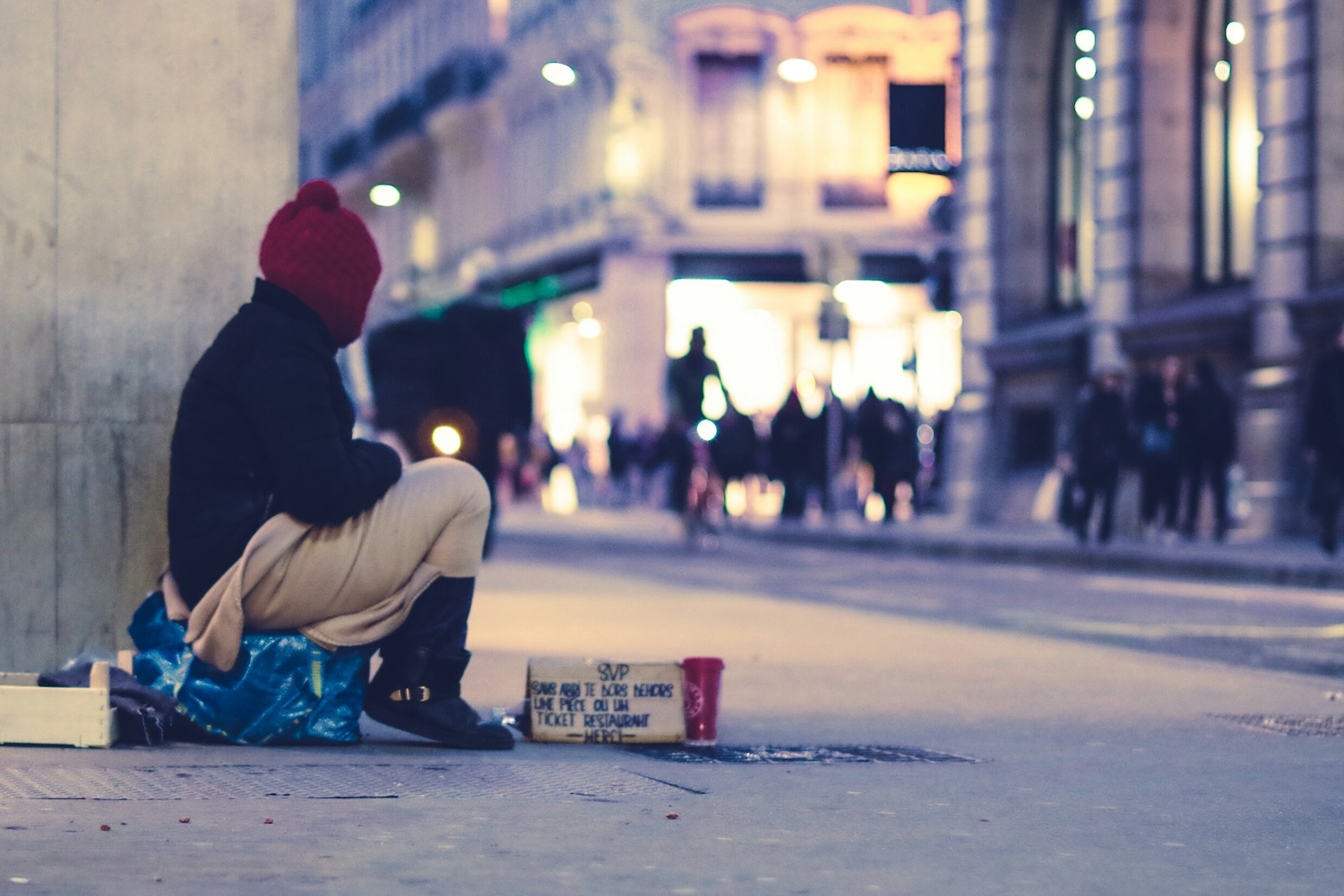
New government data analyzed by Jigsaw Conferences has revealed Gloucester as the city with the highest rate of rough sleeping in England. The survey, covering 44 cities, found Gloucester’s rate at 46.9 rough sleepers per 100,000 people, marking a 23% increase from the previous year.
Rough sleeping is increasingly visible across the city, with tents appearing in locations such as shopping centre car parks, churchyards, green spaces, and Kings Square. Notably, Gloucester is the only city in the South West showing a rise in rough sleeping, while cities like Exeter, Bristol, and Plymouth have seen declines.
Gloucester City Council, responsible for housing, urges caution when interpreting the data. Due to Gloucester’s smaller population and compact geography, per-capita calculations may produce disproportionately high rates. The council also points out that many individuals identified as rough sleeping may only do so for a single night before securing accommodation or moving on.
READ MORE: Tim Spector Reveals the Best Food to Eat During a Heatwave
READ MORE: Lib Dems Secure Double Victory in Gloucestershire By-Elections
The council emphasizes the importance of the monthly single-night snapshot for a clearer picture. On March 31, 2026, 32 people were recorded sleeping rough in Gloucester, equating to 23.2 per 100,000 people—far lower than the monthly total figure suggests. Additionally, Gloucester hosts significant supported accommodation attracting individuals from across Gloucestershire, further complicating local statistics.
Gloucester MP Alex McIntyre expressed concern over the rising numbers despite a £2.8 million increase in government funding to tackle homelessness. He criticized the city council for underspending homelessness budgets and has requested an urgent meeting with Housing Secretary Steve Reed to explore more effective solutions.
Liberal Democrat councillor Rebecca Trimnell, who leads rough sleeping reduction efforts, stressed the need to understand the context behind the figures. She highlighted ongoing outreach, prevention, and support initiatives aimed at moving people into safe, sustainable housing and acknowledged the seriousness of rough sleeping as a persistent challenge in Gloucester.