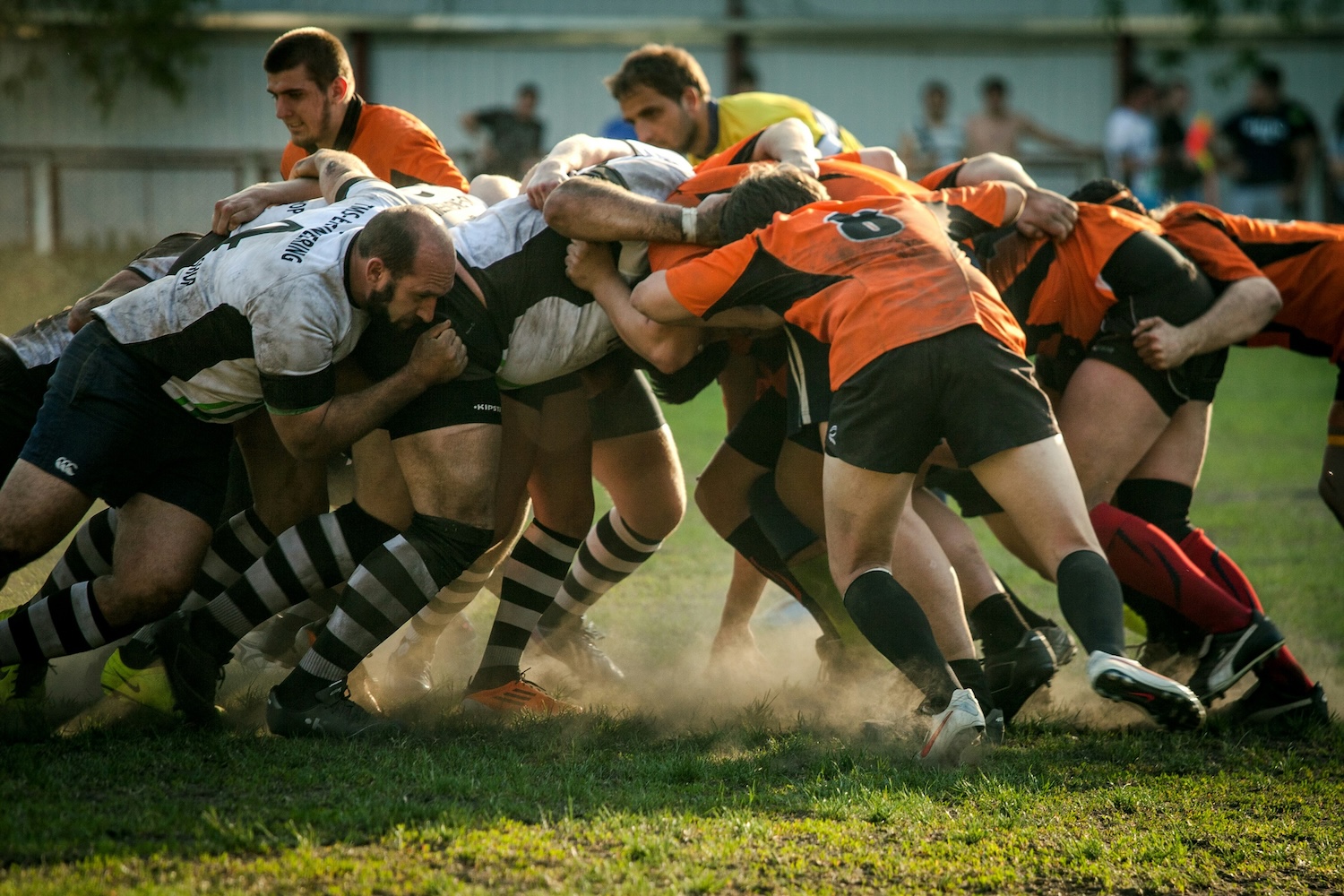
Gloucester Rugby has announced plans to launch a new development team, the Gloucester Lions, ahead of the 2026/27 season. This initiative aims to provide senior academy players and fringe squad members with increased opportunities to participate in competitive fixtures, thereby accelerating their progression within the club.
The Gloucester Lions are essentially a reimagining of the former Gloucester United team, which competed in the now-defunct A-League that primarily held matches on Monday evenings. The club intends for the Lions to compete regularly throughout the season, with their inaugural fixture scheduled against Hartpury on 12 September. This match will form part of a double-header held at Kingsholm, coinciding with the first team’s PREM Rugby Cup encounter against Sale Sharks, marking Gloucester’s opening home game of the new campaign.
Heading the new side will be Dom Waldouck, Gloucester’s former defence coach. Following his reassignment from the first team over the summer, Waldouck assumes the role of head of player development and will lead the Gloucester Lions in this capacity.
READ MORE: ‘World’s creepiest’ McDonald’s houses ancient Roman road and skeletons beneath its floor
READ MORE: Ollie Price Commits to Gloucestershire with Two-Year Contract Extension
This development forms a key component of Gloucester’s substantial investment in their academy and player pathway, especially significant after the club inherited a considerably expanded recruitment territory following the dissolution of Worcester Warriors.
Technical Director Chris Boyd, who joined the club six months ago, has emphasised the importance of integrating young talent into the first team as a core priority. The club boasts a wealth of promising prospects, including Wales Under-20 captain Deian Gwynne and England Under-20 centre Will Knight.
While players often gain experience through the BUCs Super Rugby university system and via loan spells in lower tiers of English club rugby, there is widespread recognition within English professional rugby of the shortage of competitive matches for developing and fringe players. Clubs with sizeable squads, such as Bath Rugby and Exeter Chiefs, have already addressed this challenge by organising numerous friendly fixtures throughout the season.
For example, last year Bath Rugby hosted encounters against Championship side Bedford Blues and the England Under-20s, while Exeter Chiefs arranged matches against the Navy and the Cornwall county side. Gloucester’s introduction of the Lions team aligns with these efforts to enhance competitive opportunities and nurture emerging talent within the professional game.