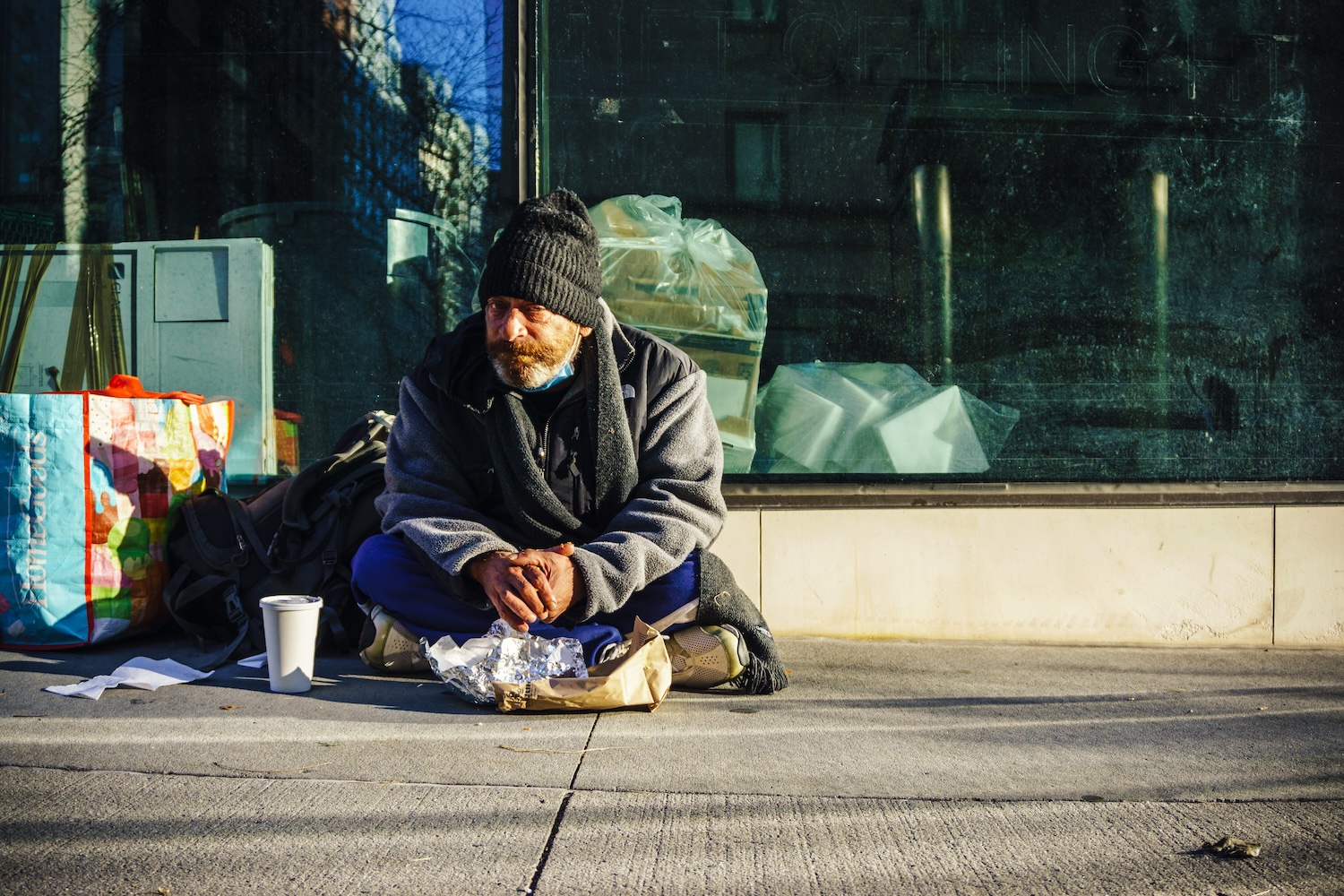
Recent analysis has revealed Gloucester as the city in England with the highest rate of rough sleeping. Tents and makeshift shelters have become an increasingly common sight across Gloucester, appearing in shopping centre car parks, churchyards, green spaces, and prominent locations such as Kings Square.
Emergency accommodation service Jigsaw Conferences examined government data for 44 English cities and calculated the monthly rough sleeping rate per 100,000 residents. Comparing figures from March 2025 to March 2026, Gloucester recorded the highest rate at 46.9 per 100,000—a 23% increase year-on-year. Notably, Gloucester is the only city in the South West region to experience an increase, while Exeter, Bristol, and Plymouth saw declines.
Despite these alarming statistics, Gloucester City Council emphasizes the need for context. As a relatively small city, per-capita rates can appear disproportionately high. Council representatives explain that the data reflects the total number of individuals recorded sleeping rough at any time during a month; in March 2026, this figure was 65 people. However, many were temporarily rough sleeping for a single night before securing accommodation or moving away. The council argues the single-night snapshot—recorded on March 31 with 32 rough sleepers—offers a more accurate representation of ongoing rough sleeping, equating to 23.2 per 100,000 population.
READ MORE: Bibury: The World’s Most Beautiful Village Nestled in the Cotswolds
The city’s compact size and the presence of supported accommodation serving broader Gloucestershire residents also influence these numbers, potentially inflating local statistics.
Local MP Alex McIntyre expressed concern about rising rough sleeping despite an additional £2.8 million in funding to address homelessness. He condemned the City Council for underspending its budget and has requested an urgent meeting with the Secretary of State for Housing, Communities and Local Government to discuss further actions.
Liberal Democrat Councillor Rebecca Trimnell, responsible for tackling rough sleeping, highlighted the importance of interpreting the data carefully. “Many people identified during that period are only rough sleeping briefly before help arrives,” she said. “The single-night snapshot better reflects those currently sleeping rough, and it’s crucial the council’s and partners’ efforts to assist people off the streets are acknowledged.”
The council continues to prioritize outreach, prevention, accommodation, and support services, working closely with partners to reduce rough sleeping and help individuals move toward safe, sustainable housing. While rough sleeping remains a serious issue, Gloucester’s leadership insists persistent efforts are underway to address the crisis compassionately and effectively.