Concerns are mounting that towns and villages across the Forest of Dean are evolving into “commuter dormitories” as house prices rise and traffic congestion worsens, particularly since the tolls were removed from the Severn crossings.
Local officials highlight an influx of residents from Bristol who have been attracted by comparatively affordable housing, opting to live in the Forest while commuting to the city for work. In December, the average house price in Bristol stood at £353,000, compared to £299,000 in the Forest of Dean, according to the Office for National Statistics.
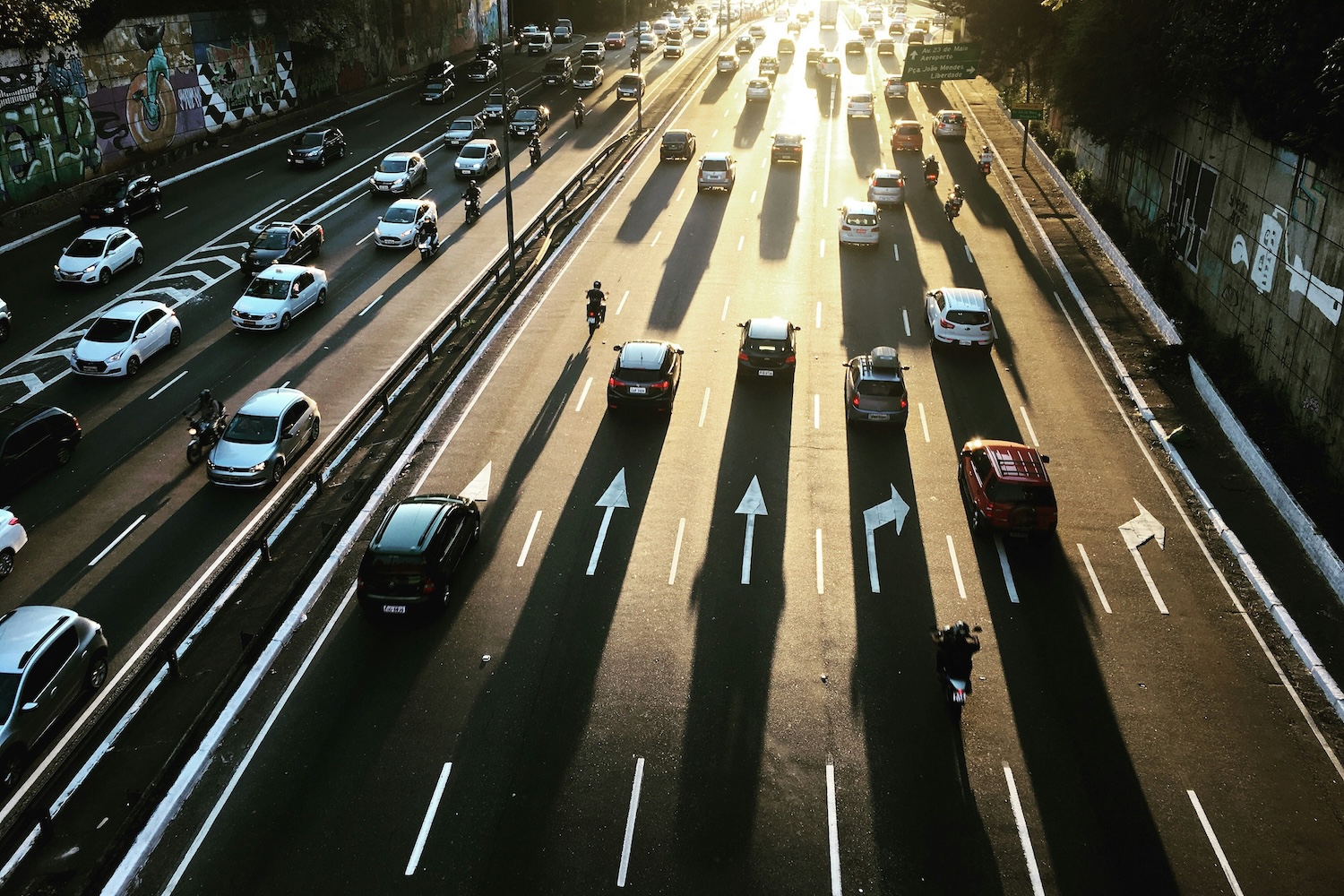
The removal of the Severn tolls in 2018 made commuting easier and more economical, driving more house hunters to the Forest. However, this has contributed to increased congestion along key routes like the A48 and A40, a growing concern for council leaders keen to promote local economic growth rather than further outward commuting.
READ MORE: ‘Charming’ Village on the Edge of the Cotswolds is Like a Real-Life Time Machine
Critics warn that the council’s new local plan, which outlines development over the next two decades, could worsen these issues. Proposals include building 1,700 new homes in the Severnside town, 600 houses at Beachley Barracks near Chepstow, and around 410 more dwellings in Tutshill and Sedbury. Larger developments are planned further north: a new town with 3,500 homes by junction 2 of the M50 at Glynchbrook and an additional 2,000 homes near Gloucester’s Churcham off the A40.
Councillor Alan Preest from Lydney East has witnessed these changes firsthand and worries about the strain on local services. “Many Bristolians have settled in Lydney due to lower house prices, the removal of Severn Bridge tolls, and relatively easy access to Bristol, despite the congested routes,” he said. “But this influx has exposed a fundamental lack of basic infrastructure and primary school places.”
He also pointed to significant road network inadequacies and lamented the loss of Lydney’s hospital in May 2024. Oakdale, a large housing estate on the town’s outskirts, suffers from isolation with a lack of shopping options, limited bus service, and no safe walking routes to the railway station or industrial estate. Missed opportunities for retail and employment developments, denied by the Forest of Dean planning system, have further hampered local economic vitality.
Similarly, Drybrook and Lydbrook Councillor Piers Camp emphasizes the importance of local-focused planning. “This isn’t about opposing newcomers, many of whom seek the peace we cherish,” he said. “But unchecked mass development to accommodate urban spillover risks pricing out local families and overwhelming schools, healthcare, and roads.”
District Council leader Adrian Birch concurs that many new residents commute by car, worsening peak traffic in Chepstow. He calls for a transport hub in the south of the Forest to encourage rail travel to Bristol, Newport, and Cardiff. He adds that improvements or a replacement for the Severn Tunnel could provide more direct and convenient rail access, reducing reliance on cars.
The concerns raised reflect a need for balanced development that prioritizes sustaining local communities and infrastructure while managing growth and commuter patterns effectively.