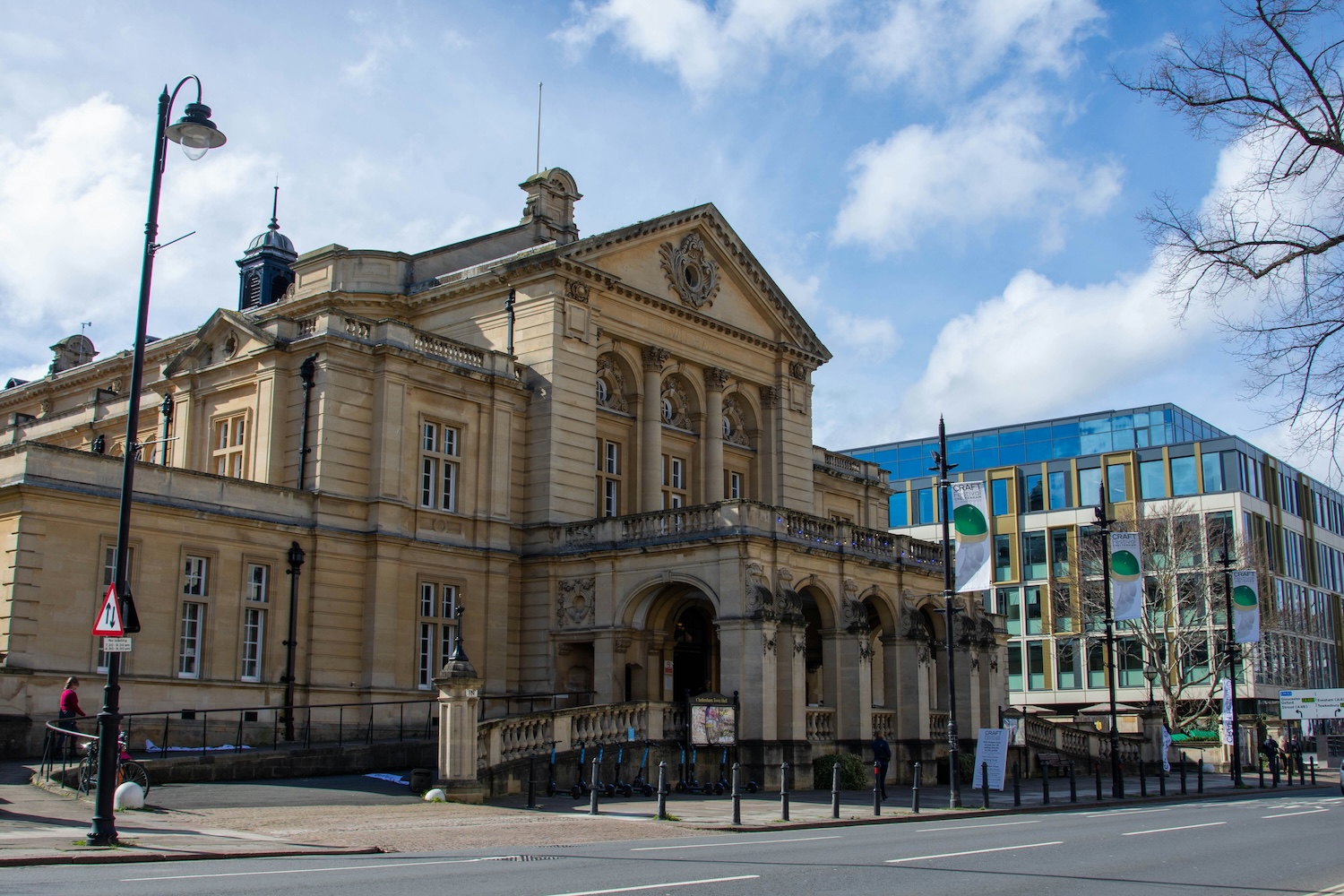
Cheltenham, often celebrated for its lively annual festivals—from the illustrious horse racing in March to the esteemed Literature Festival in October—is much more than just a seasonal destination. Recently ranked as the second-best large town in the UK by The Telegraph, Cheltenham earned a sterling 9 out of 10 from destination expert Chris Moss, just behind Blackpool. It also proudly holds the title of the ‘poshest’ of the nation’s 25 largest towns, thanks to its gracious Montpellier district and the historical Promenade, a bustling shopping avenue dating back to the 1820s.
So what exactly makes Cheltenham exude such an affluent charm? Is it truly deserving of this “posh” reputation?
Arriving on a sunny spring Monday, Cheltenham reveals its best face. Revered for its green spaces—like the centrally located Imperial Gardens and Montpellier Gardens, plus the expansive Pittville Park on the outskirts—the town is an inviting place to soak up nature. The Regency-style architecture, with its elegant sash windows, ornate ironwork, and eye-catching statues, further enhances its refined atmosphere. In fact, Cheltenham claims to be Britain’s most complete Regency town, preserving the character of an era steeped in classical beauty.
READ MORE: Schoolgirl Raises £9,000 to Install Pedestrian Crossing on Dangerous Road
My visit began with a trip on the 36-metre Ferris wheel in Imperial Gardens, offering panoramic views across Cheltenham and nearby hills like Cleeve and Leckhampton. For a modest £6, two rounds provide a delightful introduction—though those sensitive to heights might want to skip it due to breezy conditions at the top. On the ground, the blooming flowers and quaint benches made Imperial Gardens a serene spot to linger.
Locals May and Maria echoed the town’s appeal. Maria praised Cheltenham’s festivals, hiking opportunities, and strong food scene, while acknowledging that, like any town, some areas could use improvement. May highlighted its safety, well-maintained streets, and quick access to London and the Cotswolds, calling Cheltenham an undeniably attractive place to live.
Long-time resident Rob described the town as “becoming very posh,” especially with the Cotswolds influence attracting affluent visitors, but emphasized its traditional charm and friendly atmosphere—an authentic town to relax in.
Not all views were glowing, however. Charlotte, who has lived in Cheltenham for seven years, criticized it as “pretend posh” and “soulless,” lamenting the lack of activities beyond dining and drinking, and the difficulty of integrating into established social circles. She called out the prevalence of average cafés and the high cost of living.
Curious, I explored the ‘posh’ Montpellier area, known for its independent shops, art galleries, and cafés. Although many establishments were closed on my Monday visit, the charm of this village-like district was unmistakable. Artist Kathryn Clarke, who works at Gloucestershire Guild, praised Montpellier’s cultural vibe and tidier appearance compared to nearby towns.
While I missed out on visiting The Wilson art gallery due to Monday closures, my day ended at Sandford Park Alehouse on the High Street—a relaxed pub with a sunny garden favored by local comedian Dom Joly.
Overall, Cheltenham surprised me with its blend of polished elegance and community spirit. Beyond the familiar high-street names, it offers unique neighborhoods rich in culture and tradition. Given the chance, I’d return on a different day to experience Montpellier’s lively charm fully, when its independent shops and galleries come alive.