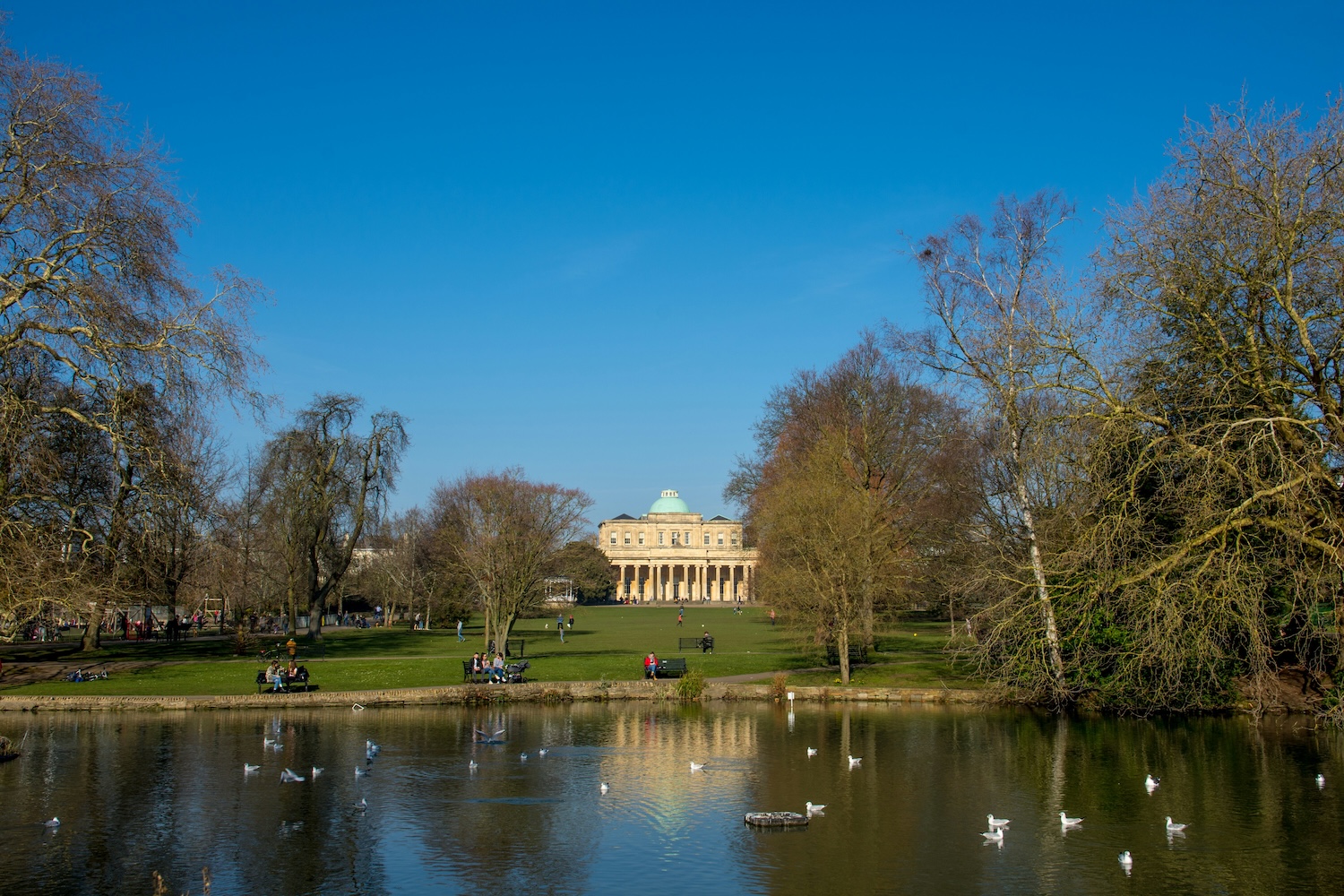
Cheltenham, famed for its vibrant annual festivals—from the March horse races to the October Literature Festival—holds much more appeal than just its event calendar. Recently ranked as the second best among the UK’s most populous towns by The Telegraph, it gained an impressive 9 out of 10 rating from Destination Expert Chris Moss, just behind Blackpool.
Notably, Cheltenham earned the title of the ‘poshest’ among the nation’s 25 largest towns, thanks largely to the refined character of its Montpellier district and the historic Promenade—a shopping avenue dating back to the 1820s that remains the town’s heartbeat.
What defines Cheltenham’s sophisticated charm? Arriving on a sunny spring Monday, it’s clear the town thrives under blue skies. Renowned for its expansive outdoor spaces like Imperial Gardens, Montpellier Gardens, and the sprawling Pittville Park, Cheltenham embraces nature within its urban landscape.
READ MORE: New Sweet Shop and Eyewear Store Enhance Gloucester Quays Shopping Experience
READ MORE: Fears Grow Over Forest of Dean Becoming Commuter Hub Amid Influx of Bristolians
The town proudly maintains its status as Britain’s most complete Regency town, boasting elegant sash windows, intricate ironwork, and striking statues scattered throughout areas including the Royal Crescent and Montpellier.
My first stop, Imperial Gardens, features a 36-metre Ferris wheel running until April 12, offering panoramic views of Cheltenham and the surrounding Cotswolds hills. Two thrilling rotations for £6 provide a fantastic vantage point—although those wary of heights might find the breezy ascent challenging.
Back on solid ground, the vibrant blooms and cozy benches make Imperial Gardens an inviting spot to relax. There, I met locals May and Maria, who expressed their strong affection for the town. Maria highlighted Cheltenham’s diverse offerings—from lively festivals and quality dining to nearby scenic hikes like Cleeve Hill. Both agreed the town feels safe, well-maintained, and ideally situated for travel to London and the wider Cotswolds.
Longtime resident Rob acknowledges Cheltenham’s evolving affluence, influenced by the Cotswolds’ popularity, but he cherishes its calm, traditional ambiance and hopes it remains that way.
Contrasting these views, Charlotte, who has lived here seven years, described Cheltenham as “pretend posh” and somewhat soulless, criticizing the limited activities beyond dining and drinking, and lamenting the challenging social scene and high living costs.
Venturing into Montpellier revealed a town divided. While the Promenade and High Street feature well-known retailers like Waterstones and Charles Tyrwhitt, Montpellier boasts independent boutiques, art galleries, and cozy cafés. Though many shops were closed on the Monday of my visit, the area’s village-like charm was evident.
Artist Kathryn Clarke, who commutes from nearby Stroud to sell her work here, praised the community feel and tidiness, contrasting it with her hometown’s rougher edges. She acknowledged the noticeable wealth around, enhancing Cheltenham’s upscale reputation.
Although I missed visiting The Wilson art gallery due to its Monday closure, I ended the day at Sandford Park Alehouse on the High Street. Known as a favorite of comedian Dom Joly, this award-winning pub offers a sunny garden and relaxed atmosphere—a perfect spot to conclude a vibrant day.
Overall, Cheltenham pleasantly exceeded expectations. Beyond its familiar shopping brands, the town’s rich culture, historic charm, and green spaces provide an appealing mix. A return visit on a different day promises to reveal Montpellier’s full character and a more lively celebration of Cheltenham’s unique Regency heritage.